
News
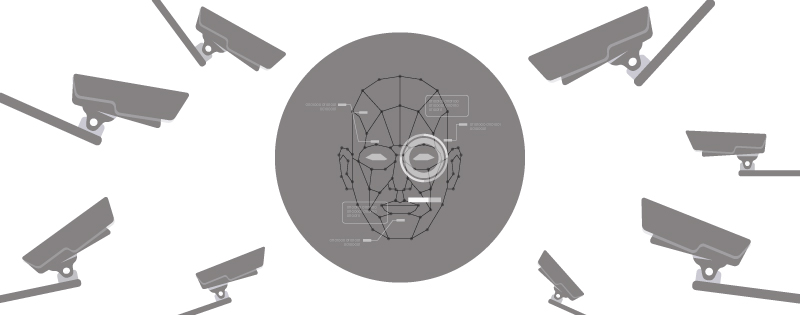
Unlawful video surveillance with face recognition in Belgrade
The Impact assessment of video surveillance on human rights, conducted by the Ministry of Interior of Serbia, did not meet the legal requirements. Also, the installation of the system lacks basic transparency. Hence, the process should be suspended immediately and the authorities should engage in an inclusive public debate on the necessity, implications and conditionality of such a system.
The installation of smart video surveillance in Belgrade, with thousands of cameras and face recognition software, has raised public concern. Three civil society organisations (CSOs) – SHARE Foundation, Partners for Democratic Change Serbia (Partners Serbia) and Belgrade Center for Security Policy (BCSP) – published a detailed analysis of the MoI’s Data Protection Impact Assessment (DPIA) on the use of smart video surveillance and have reached a conclusion that the document does not meet the formal or material conditions required by the Law on Personal Data Protection in Serbia.
The Commissioner for Personal Data Protection of Serbia also published his opinion on the DPIA, confirming the findings of the aforementioned organisations. According to the Commissioner, the DPIA was not conducted in line with the requirements of the Law on Personal Data Protection.
The opportunity to address all issues of public interest through the MoI’s DPIA was missed, as well as the obligation to fulfill both formal and material terms required by the Personal Data Protection Law. The DPIA does not meet the minimum legal requirements, especially in relation to smart video surveillance, which is a source of most interest and concern of the domestic and foreign public. The methodology and structure of the DPIA do not comply with the requirements of the Personal Data Protection Law because The positive effects on crime reduction as described in the DPIA are overestimated, due to the fact that relevant research and comparative practices have been used selectively. It has not been established that the use of smart video surveillance is necessary for the sake of public safety, or that the use of such invasive technology is proportionate, considering the risks to citizens’ rights and freedoms.
The MoI should suspend further introduction of smart video surveillance systems. In addition, the MoI and the Commissioner should initiate an inclusive public debate on video surveillance legislation and practice that will be in line with a charter on the democratic application of video surveillance in the European Union.
Related content

Apply for the Digital Rights Summer School
The applications for the 2023 Digital Rights Summer School in Perast, Montenegro are now open! The School takes place from 23 to 29 July, and the program for 2023 is designed for enthusiasts based in Southeast Europe, who are passionate about digital rights and eager to learn more about the latest developments in this field. […]
23. May, 2023.

Digital ecosystem of the Western Balkans: from regulatory gap to systemic approach
Alongside the innovations, technological breakthroughs and shifts in the digital industry, the third decade of the 21st century also marks a kind of institutional milestone primarily recognized through the establishment of the European Union’s Digital Single Market, accompanied by a set of rules aimed at ensuring that all rights and freedoms guaranteed to citizens by […]
20. October, 2024.
The right to privacy in the time of coronavirus: freedom’s last line of defence?
Dr Mihajlo Popesku, Head of Research, Auspex InternationalCatalina Bodrug, Research Scientist, Auspex International Earlier this month, Auspex conducted two large-scale online surveys1 in the UK and Italy, focusing on residents’ behavioural and emotional responses to the Covid-19 pandemic and resulting lockdown, with samples of 2,001 respondents in each country – representative by age, gender, region and socioeconomic class. […]
30. April, 2020.